How to Choose the Right High-Power VCSEL for Your Application
When people look for a high-power VCSEL, the first question is often about wavelength. That makes sense, but wavelength is only one part of the decision. In real projects, output power, package type, integration method, and application environment matter just as much.
A good VCSEL should fit the system, not just the datasheet.
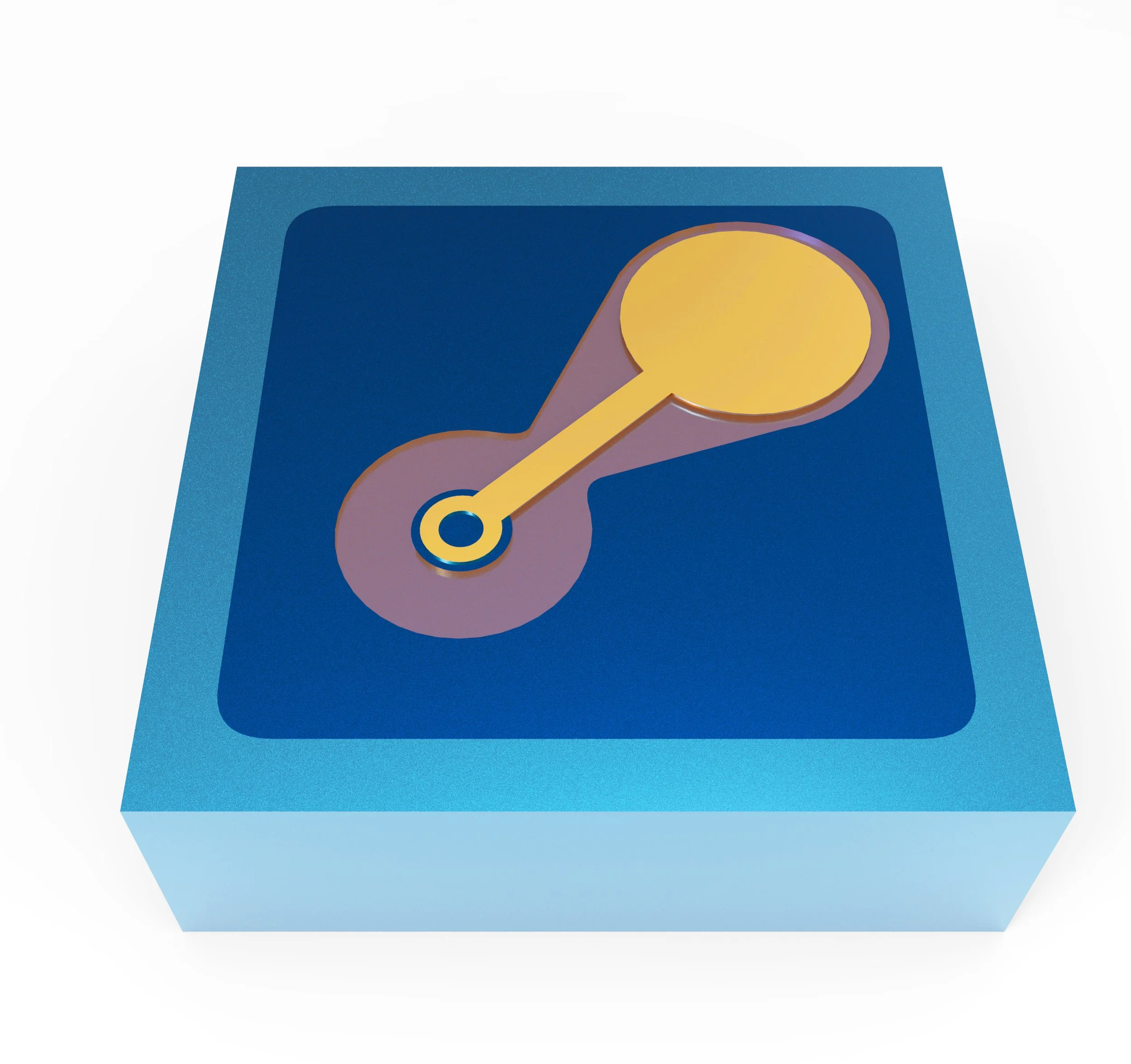
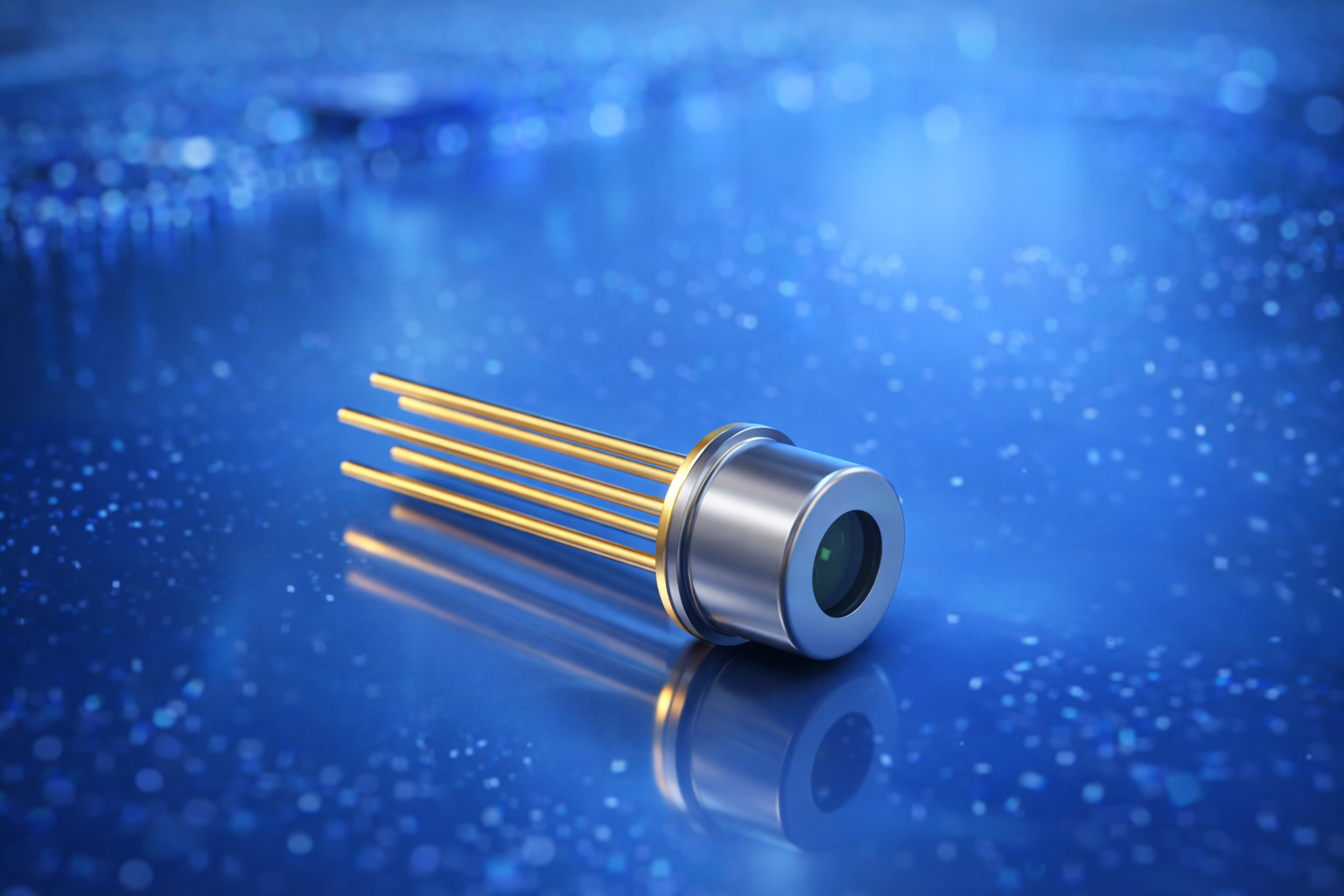
For applications such as magnetometers, quantum sensing, and other precision photonics systems, the right high-power VCSEL can make integration easier and improve long-term stability. On Semiatom’s current website, the main product direction already focuses on 795 nm and 895 nm high-power VCSEL solutions, with options including bare die, TO-46, customized, and non-magnetic packaging.
Start with the wavelength
The first step is still wavelength selection. Different systems are built around different optical requirements, so this part should always come first.
If your application is related to magnetometers or quantum sensing, 795 nm and 895 nm are often the wavelengths that draw the most attention. If your project is aimed at other photonics systems, other wavelength options may also be relevant.
The point is simple: do not choose a high-power VCSEL because it looks broadly usable. Choose it because it matches the job.
Then check the output power
The next question is how much output power you actually need.
Higher power is not always better. In some systems, extra power helps improve performance. In others, it can make thermal management and system design harder than necessary. The better approach is to choose a range that matches your real application target.
Semiatom’s current VCSEL page presents output power options from 0.1 mW to 1.8 mW, which is useful because it gives customers room to choose based on actual system requirements instead of forcing a one-size-fits-all solution.
Package choice is not a small detail
A lot of buyers focus on chip performance and leave packaging for later. That usually leads to trouble.
Package type affects how easily the laser can be integrated, how stable it is in use, and whether it fits the environment of the final product. In many cases, the package is just as important as the chip itself.
If you want more design freedom, bare die may be the better option. If you need a practical and reliable structure for assembly, TO-46 can be a good fit. If the application is sensitive to magnetic interference, non-magnetic packaging may make more sense. And if the standard formats do not fit well, a customized package is often the better path.
That is why package choice should be part of the selection process from the beginning, not something left to the end.
Think about the real application environment
This is where many buying decisions become clearer.
Ask a few simple questions:
Is the system compact or space-limited?
Does it need stronger environmental compatibility?
Is magnetic interference a concern?
Will the product need a standard package or a custom structure?
Do you need support beyond just buying the device?
These questions matter because a high-power VCSEL is not only a component. It becomes part of a working system. The more demanding the application, the more important these details become.
Do not ignore customization
Not every project can use a standard product without changes.
Some customers need a specific package structure. Some need a certain integration method. Others need help balancing wavelength, power, and package requirements in one design. In those cases, customization is not a bonus. It is part of getting the right result.
Semiatom’s current website repeatedly highlights custom design support from wafer to packaging, which is important for customers whose projects do not fit standard formats.
What to look for in a supplier
A good supplier should do more than send a product list.
At minimum, they should be able to explain:
what wavelength options are available
what power range makes sense
which package types fit the application
whether customization is possible
how they support testing and evaluation
Semiatom’s site also highlights product model selection, application guidance, and testing support, which are useful signals for customers comparing suppliers.
Final thought
Choosing the right high-power VCSEL is really about fit.
The best option is not simply the highest power or the most complex package. It is the one that matches your wavelength target, your integration plan, and your real application environment.
If you are working on magnetometers, quantum sensing, or precision photonics systems, it is worth taking a little more time to compare wavelength, output power, and packaging before making a decision. That usually leads to a better result than choosing only from a spec sheet.