
CSAC Manufacturing: Challenges and Innovations
What is CSAC?
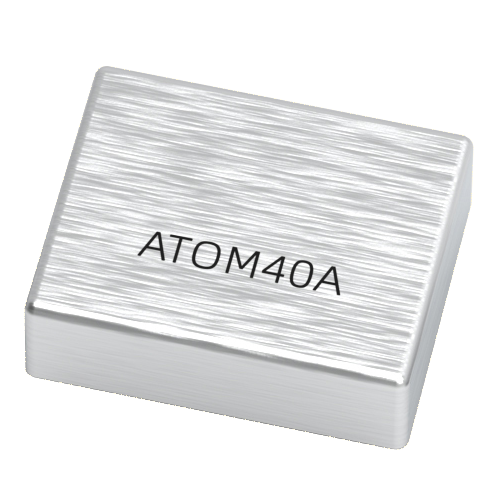
Before we delve into the nuts and bolts of CSAC manufacturing, it’s essential to understand what a CSAC is. In simple terms, a CSAC is a compact atomic clock that provides the same timekeeping accuracy as its larger counterparts, but in a much smaller, more portable form. These clocks are crucial in various industries, including telecommunications, defense, and GPS systems, where precise timing is critical.
From Concept to Reality
The journey of CSACs from a conceptual idea to a tangible product is nothing short of extraordinary. Early atomic clocks were massive, room-sized instruments. The challenge was to scale down this technology without compromising on precision. The first breakthrough came with the introduction of microfabrication techniques, which allowed the miniaturization of key components. These innovations paved the way for the first generation of CSACs, which, although not as small as today’s models, were revolutionary for their time.
Key Milestones in CSAC Development
Several milestones have marked the evolution of CSAC manufacturing. The most notable is the transition from bulky cesium and rubidium clocks to chip-scale versions. This was made possible by advances in laser cooling techniques and micro-electromechanical systems (MEMS). Another significant milestone was the integration of these components onto a single chip, drastically reducing the size and power consumption of the clocks. Each of these advancements brought us closer to the highly efficient, miniature CSACs we see today.
Major Challenges in CSAC Manufacturing
Miniaturization of Components
Precision at a Microscopic Scale
Shrinking an atomic clock down to the size of a microchip is no small feat. The precision required at such a microscopic scale is mind-boggling. Every component must be meticulously designed and fabricated to ensure that the clock maintains its accuracy. The slightest deviation in the manufacturing process can lead to significant errors, making quality control a top priority. The challenge lies in balancing the need for miniaturization with the need for precision—a delicate dance that requires both advanced technology and expert craftsmanship.
Power Consumption Dilemmas
Balancing Efficiency and Functionality
One of the biggest challenges in CSAC manufacturing is managing power consumption. Traditional atomic clocks consume a lot of power, which isn’t feasible for portable, chip-scale devices. Manufacturers must find ways to reduce power consumption without compromising on performance. This involves using low-power components, optimizing software algorithms, and even rethinking the clock’s architecture. It’s a constant balancing act between efficiency and functionality, where every milliwatt counts.
Environmental and Thermal Stability
Overcoming Temperature Sensitivity
CSACs are incredibly sensitive to environmental factors, especially temperature fluctuations. Even a small temperature change can affect the clock’s accuracy. To combat this, manufacturers employ various thermal management techniques, such as advanced insulation materials and temperature-compensating circuits. However, achieving the perfect balance between thermal stability and miniaturization is an ongoing challenge. It’s like walking a tightrope—one wrong move and the entire system could become unstable.
Cost-Effectiveness in Mass Production
While the technology behind CSACs is cutting-edge, producing these clocks at scale remains a significant challenge. The high cost of materials and the complexity of the manufacturing process make it difficult to produce CSACs at a price point that’s accessible for all industries. To address this, manufacturers are exploring new materials, automated production techniques, and economies of scale. The goal is to make CSACs not only a technological marvel but also a commercially viable product for widespread use.
Innovations Driving CSAC Manufacturing
Advances in Material Science
Exploring New Substrate Materials
Innovations in material science have played a crucial role in overcoming some of the challenges in CSAC manufacturing. Researchers are exploring new substrate materials that offer better thermal stability and lower power consumption. These materials, such as silicon carbide and gallium nitride, are not only more efficient but also more durable, making them ideal for use in harsh environments. The use of these advanced materials could be the key to unlocking the next generation of CSACs.
Integration with MEMS Technology
Enhancing Functionality through Miniaturization
Micro-Electro-Mechanical Systems (MEMS) technology has been a game-changer for CSAC manufacturing. By integrating MEMS with traditional atomic clock components, manufacturers can create devices that are not only smaller but also more functional. MEMS technology allows for the miniaturization of mechanical components, which can be integrated directly onto the chip. This not only saves space but also improves the clock’s overall performance, making it more reliable and efficient.
Automation and Robotics in Production
Streamlining the Manufacturing Process
The use of automation and robotics in CSAC manufacturing is revolutionizing the production process. Automated systems can handle the delicate and precise tasks required to assemble these complex devices, reducing the risk of human error. Robotics also allow for faster production times and greater consistency in quality. As automation technology continues to advance, we can expect to see even more streamlined and efficient production processes, making CSACs more accessible and affordable for a wider range of applications.
Case Study: Semiatom Photonics’ Approach
Customized CSAC Solutions
At Semiatom Photonics Co., Ltd., we understand that every customer has unique needs, which is why we offer customized CSAC solutions tailored to specific applications. Whether it’s for telecommunications, defense, or space exploration, our team of experts works closely with clients to design and manufacture CSACs that meet their exact specifications. This personalized approach not only ensures the highest level of performance but also fosters long-term partnerships with our clients.
Sustainable and Scalable Production Methods
Sustainability is a core value at Semiatom Photonics, and we are committed to developing production methods that are both environmentally friendly and scalable. By investing in green technologies and optimizing our manufacturing processes, we aim to reduce our carbon footprint while maintaining the highest standards of quality. Our focus on sustainability also extends to the materials we use, with an emphasis on recycling and waste reduction. This approach not only benefits the environment but also makes our CSACs more cost-effective in the long run.
The Future of CSAC Manufacturing
Emerging Trends and Potential Breakthroughs
The future of CSAC manufacturing looks bright, with several emerging trends and potential breakthroughs on the horizon. One of the most exciting developments is the use of quantum technologies, which could dramatically improve the accuracy and efficiency of CSACs. Additionally, new fabrication techniques, such as 3D printing and nanofabrication, are opening up new possibilities for miniaturization and customization. As these technologies continue to evolve, we can expect to see even more innovative and powerful CSACs in the years to come.
Expanding Applications of CSAC Technology
As CSAC technology continues to advance, its applications are expanding beyond traditional industries. From medical devices to autonomous vehicles, the potential uses for CSACs are virtually limitless. At Semiatom Photonics, we are constantly exploring new markets and applications for our CSACs, ensuring that we stay at the forefront of this rapidly evolving field. Our goal is to make CSACs an integral part of everyday life, helping to drive innovation and improve the quality of life for people around the world.
Conclusion
The journey of CSAC manufacturing is one of constant innovation and overcoming challenges. From miniaturization to power consumption, each obstacle has pushed manufacturers to think outside the box and develop new technologies that make these tiny atomic clocks possible. At Semiatom Photonics, we’re proud to be at the cutting edge of this exciting field, offering customized, sustainable, and scalable CSAC solutions that meet the needs of our diverse clientele. As we look to the future, the possibilities for CSACs are endless, and we’re excited to be part of this technological revolution.