
How to Choose the Right VCSEL Solution for Precision Photonics Applications
What Is a VCSEL?
A VCSEL, or vertical-cavity surface-emitting laser, is a semiconductor laser device that emits light perpendicular to the chip surface. Compared with many traditional edge-emitting laser structures, VCSELs offer advantages in compact integration, stable optical performance, and flexible packaging options. These features make VCSELs highly suitable for precision photonics systems, research platforms, and application-specific optical designs.
Why VCSEL Matters in Modern Photonics
As photonics systems become smaller, more integrated, and more application-driven, the choice of laser source plays an increasingly important role. VCSEL solutions are widely valued for their compact size, efficiency, and adaptability in system design. For engineers and researchers working on demanding applications, selecting the right VCSEL structure and package can directly affect optical stability, thermal behavior, and overall integration efficiency.
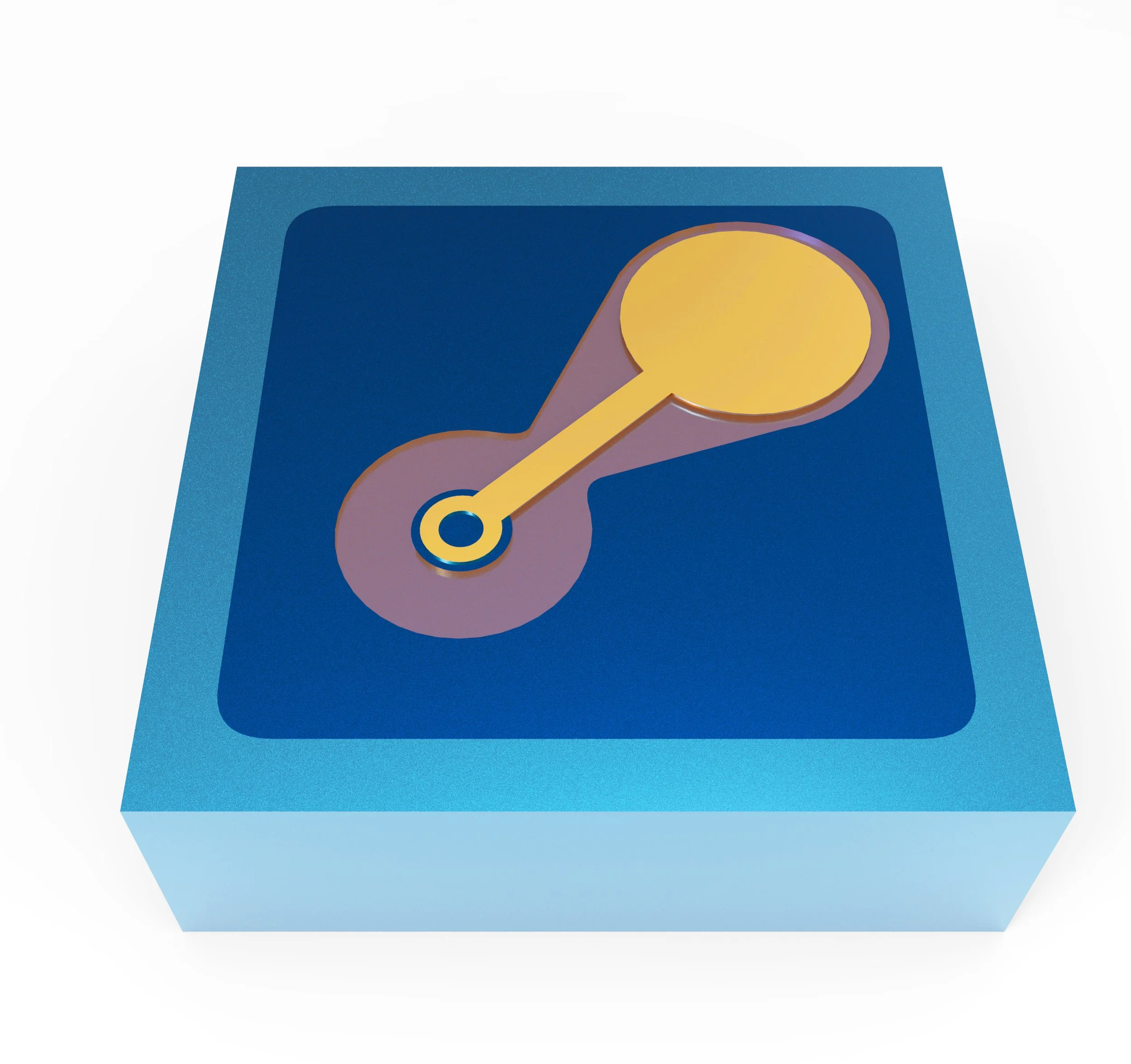
Understanding VCSEL Solutions
Available Wavelengths and Configurations
VCSEL products can be developed in multiple wavelength ranges depending on project requirements. Semiatom’s current portfolio includes 790 nm / 795 nm and 890 nm / 895 nm solutions with output power options from 0.1 mW to 1.8 mW, as well as 760 nm / 763 nm and 850 nm configurations for broader photonics applications.
Package Options
Choosing the right package is just as important as selecting the right wavelength. Available formats may include bare die, TO packages, customized packages, and non-magnetic VCSEL packaging. Different package structures support different integration goals, especially in applications where compact size, optical consistency, or environmental compatibility are critical.
Benefits of VCSEL Solutions
Compact Integration
VCSELs are well suited for systems that require efficient use of space and straightforward integration. Their compact form makes them attractive for customers developing precision photonics systems with strict layout or packaging constraints.
Stable Optical Performance
A well-matched VCSEL solution can provide stable optical output and practical thermal behavior, helping improve reliability in research and engineering environments.
Flexible Product Development
With support for multiple wavelengths, output power options, and package formats, VCSELs can be adapted to a wide variety of applications. This flexibility is especially valuable for customers who need more than a standard off-the-shelf device.
Key Factors to Consider Before Choosing a VCSEL
Wavelength Requirements
The required wavelength should always be matched to the application. For example, 795 nm and 895 nm high-power VCSEL solutions are particularly relevant for magnetometers, quantum sensing systems, and precision photonics applications.
Output Power
Different systems require different output levels. When evaluating a VCSEL, it is important to consider whether the device offers an output range suitable for your intended use case.
Package Compatibility
Package choice can affect mechanical integration, thermal handling, and environmental suitability. Bare die may offer flexibility for advanced integration, while TO-46 packages provide a practical route for reliable assembly. Non-magnetic packaging can be important for magnetically sensitive environments.
Customization Potential
In many projects, the standard package or wavelength may not be the ideal fit. Working with a supplier that can support custom design from wafer to packaging can help improve the final match between the laser source and the system architecture.
Why Packaging Matters
Packaging is not simply a protective shell. It is a key part of product usability and system performance. The package can influence heat dissipation, assembly method, environmental compatibility, and long-term stability. For this reason, product selection should consider not only the laser chip itself, but also how the chosen package supports the end application.
Typical Application Areas
VCSEL solutions can support a range of precision photonics applications. Based on the current website content, key focus areas include magnetometers, quantum sensing systems, and broader precision photonics platforms. Depending on wavelength and package selection, VCSEL products may also support other compact and application-oriented optical systems.
Why Work With Semiatom
Semiatom GmbH is a science- and technology-driven company focused on photonic and semiconductor technologies for high-performance applications. The company develops and manufactures VCSEL die, packages, modules, and gain chips, with strengths in single-mode performance, high operating temperature solutions, and custom design from wafer to packaging.
In addition to product supply, Semiatom supports customers with product model selection, application guidance, pre-shipment testing, and after-sales testing assistance. This helps shorten the path from early evaluation to practical integration.
How to Evaluate a VCSEL Supplier
When comparing suppliers, it is useful to consider more than just the product specification sheet. A strong supplier should be able to provide:
clear wavelength and package options
practical customization support
application guidance
testing and validation support
technical communication throughout the project cycle
For demanding photonics applications, engineering support can be just as important as the device itself.
Conclusion
Choosing the right VCSEL solution requires careful consideration of wavelength, output power, package format, and application requirements. For customers working in magnetometers, quantum sensing, and precision photonics, a well-matched VCSEL can improve integration flexibility, optical stability, and overall system performance.
Semiatom provides high-power VCSEL solutions together with packaging and customization support, helping customers move from concept to practical implementation with greater confidence.